


Approach
The Benefits of Biophilic Design.
Creating homes that support wellbeing.
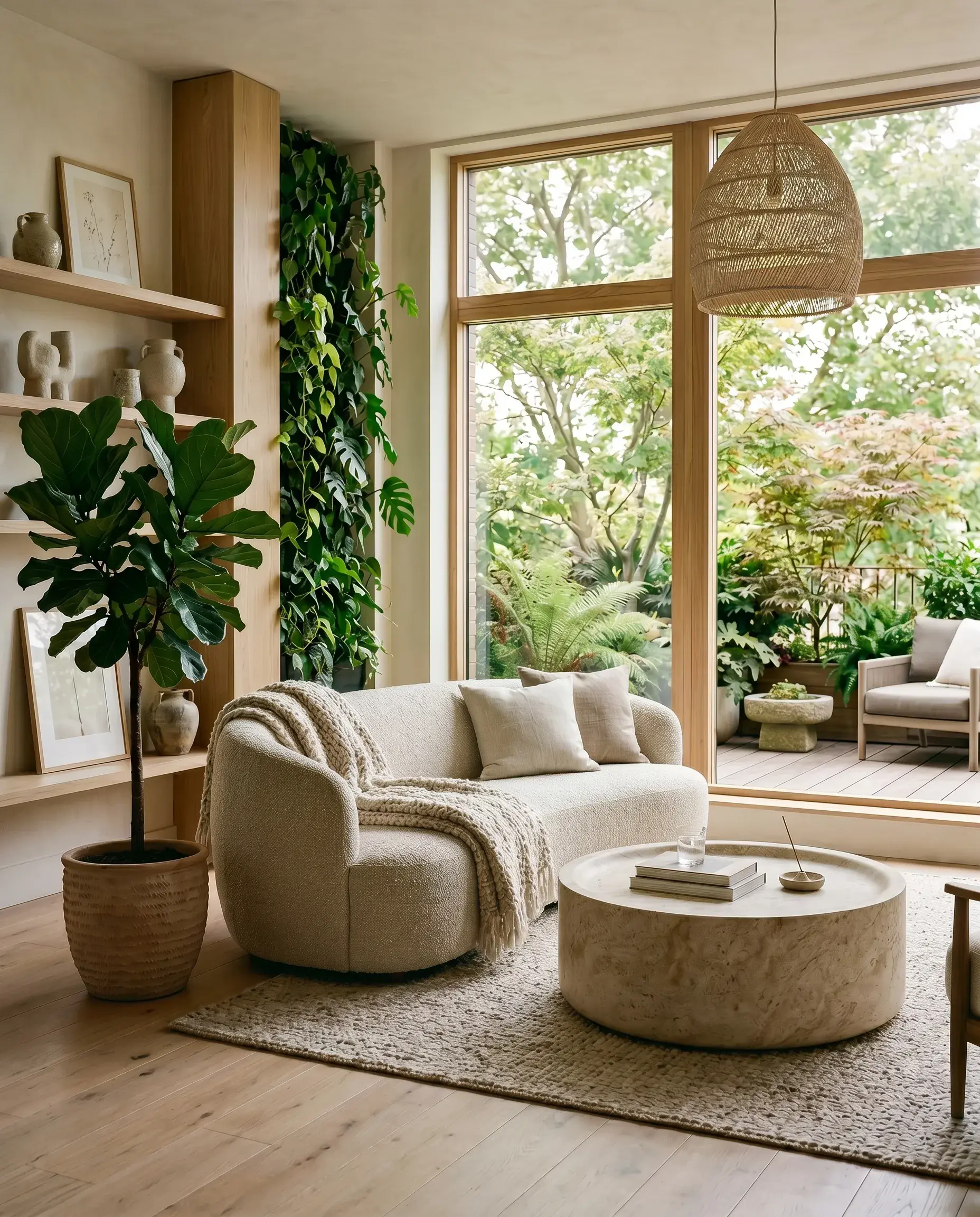
Biophilic design is about bringing elements of the natural world back into the spaces where we live, work and rest.
We spend around 90% of our lives indoors, yet as humans, we are naturally connected to nature. Modern life has gradually separated us from that connection, often without us even realising it.
Biophilic design is about bringing elements of the natural world back into the spaces where we live, work and rest. It goes far beyond simply adding plants to a room. When thoughtfully integrated, biophilic design can help reduce stress, support wellbeing, improve focus, encourage better sleep, and create spaces that feel genuinely restorative.
At Suze Patel Interiors, biophilic design sits at the heart of my approach. I believe a home should not only look beautiful, but should also support the way you feel within it.
The science behind biophilic design
Over the last few decades, numerous studies have explored how our surroundings affect both our physical and mental wellbeing.
One of the most influential studies was carried out in 1984 by environmental psychologist Roger Ulrich. Patients recovering from surgery in hospital rooms with views of trees recovered around 8.5% faster than those whose windows faced a brick wall. They also required fewer strong pain medications, and nurses reported improved mood and emotional wellbeing throughout their recovery.
The findings were significant because they demonstrated that something as simple as a connection to nature could influence how people feel and recover. The study became one of the foundations of evidence-based biophilic design and continues to influence architects, designers and healthcare environments today.
Further research has reinforced these findings. A later study at Montefiore Hospital in Pittsburgh found that patients recovering in brighter rooms with greater access to natural daylight used 22% less pain medication after surgery than those in darker rooms. Together, these studies suggest that our environments play a much greater role in wellbeing than many of us realise.
Khoo Teck Puat Hospital: a real-world example
One of the most celebrated examples of biophilic design can be found at Khoo Teck Puat Hospital in Singapore.
Designed as a “hospital in a garden”, the building was created around the belief that nature should form part of the healing experience. More than 80% of patient rooms overlook greenery or water, while gardens, natural ventilation and shaded outdoor spaces have been carefully integrated throughout the site.
The results have been remarkable. Patients reported improved wellbeing and comfort, staff experienced higher levels of satisfaction, and the hospital became a valued community destination rather than simply a place people visited when they were unwell.
It demonstrates what can happen when design works with human biology rather than against it.
Why materials matter
Biophilic design is not only about what we can see. It is also about what surrounds us physically and chemically every day.
Many modern homes contain synthetic materials that release Volatile Organic Compounds (VOCs) into the air. These chemicals can be found in certain paints, adhesives, flooring, furniture and manufactured boards. Research from the United States Environmental Protection Agency has shown that indoor air can often contain higher levels of pollutants than outdoor air.
Poor indoor air quality has been linked to headaches, fatigue, respiratory irritation, poor sleep and difficulty concentrating. This is one of the reasons I carefully consider the materials used within a space.
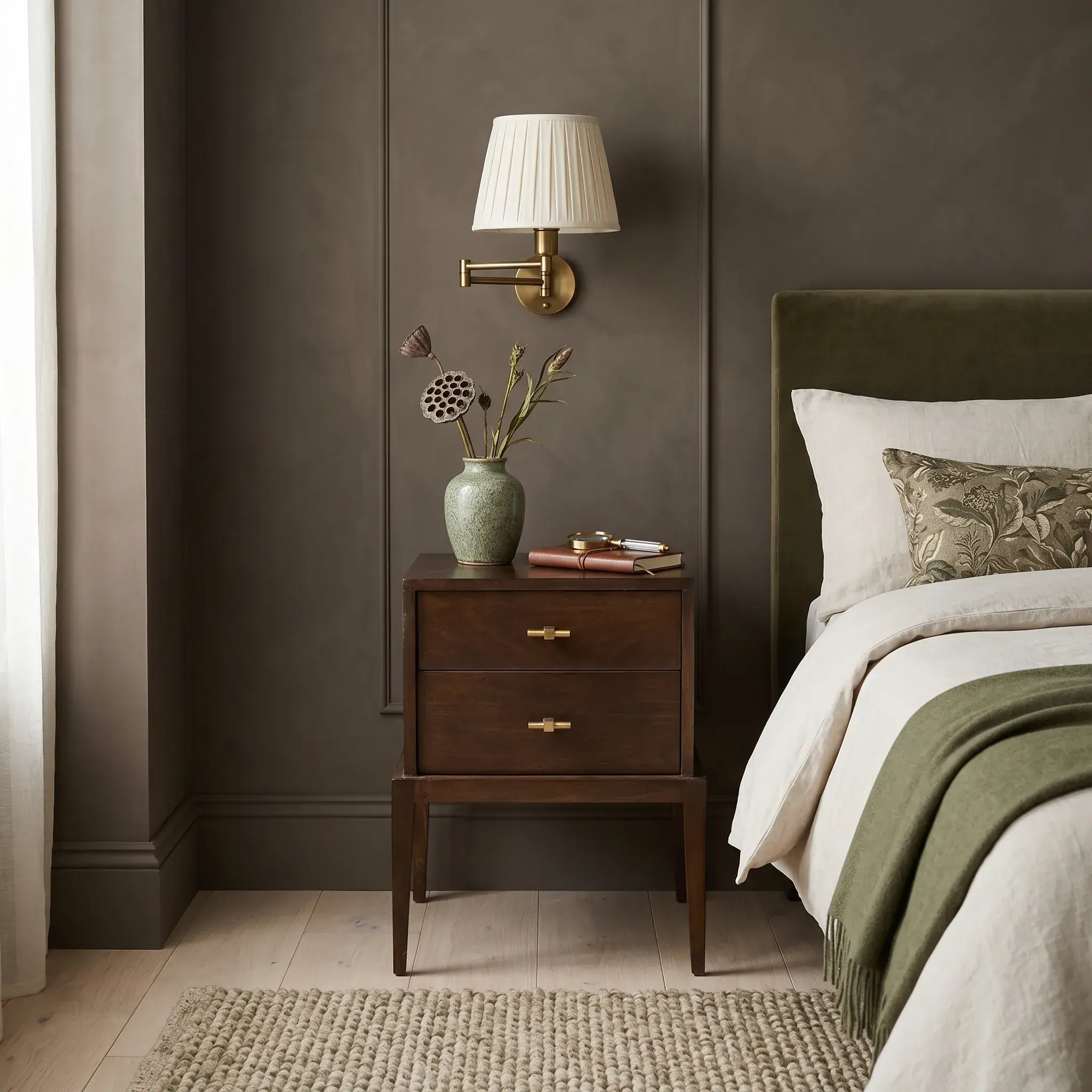
Whenever possible, I prioritise natural woods, wool textiles, linen, low-VOC finishes and sustainable materials with healthier indoor air profiles. Some research also suggests that natural wool can help absorb certain airborne pollutants over time, helping to support healthier indoor air quality.
These choices may seem small individually, but together they contribute to creating homes that feel calmer, healthier and more comfortable to live in.
The importance of natural light
Light has a profound influence on how we feel.
Our bodies operate on circadian rhythms; natural biological cycles that are heavily influenced by daylight. Modern living can often disrupt these rhythms through limited daylight exposure, poor lighting design and excessive artificial blue light during the evening.
Studies have shown that appropriate exposure to natural light can improve mood, support focus, reduce stress and encourage healthier sleep patterns. It can also positively influence productivity and cognitive performance.
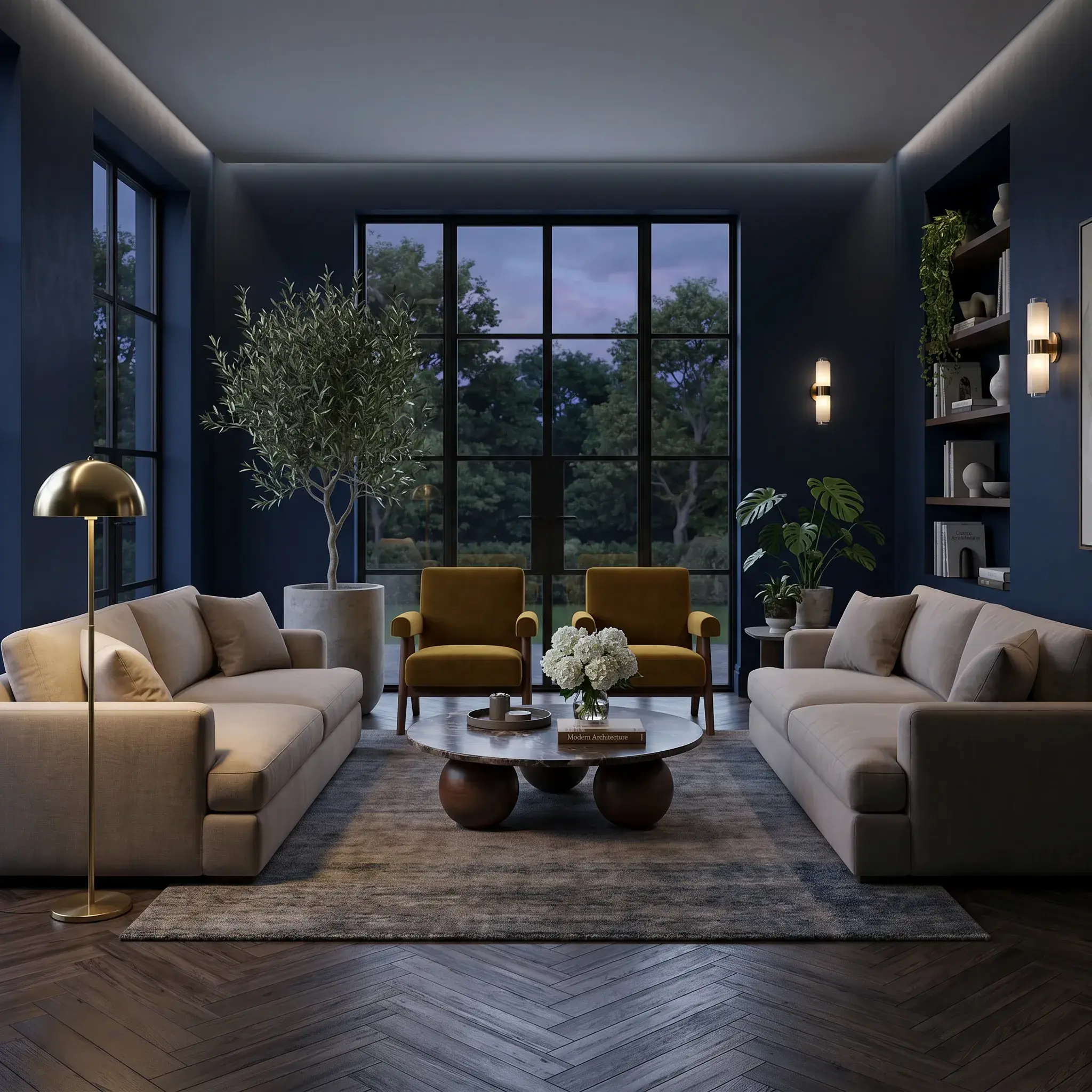
For this reason, I always consider how light moves through a space throughout the day. This may involve maximising natural daylight, introducing layered lighting rather than relying solely on overhead fixtures, and incorporating warmer lighting in the evening to support relaxation and comfort.
The aim is always to create spaces that feel balanced, calming and supportive to everyday life.
Designing for calm and connection
Biophilic design also considers how a space feels emotionally.
Humans naturally respond positively to organic forms, natural materials, views of nature and environments that feel safe and restorative. This is often why certain spaces immediately feel calming, even when we cannot quite explain why.
At Suze Patel Interiors, I apply these principles through thoughtful space planning, indoor-outdoor connections, natural textures, nature-inspired colour palettes and carefully selected sustainable materials. Layered lighting and sensory balance also play an important role in creating spaces that feel grounded and welcoming.
Biophilic design is not about creating a theme. It is about designing homes that feel deeply connected to the people who live within them.
How I incorporate biophilic design
At Suze Patel Interiors, biophilic design is woven into the design process from the very beginning. It influences how I think about layout, light, materials, colour, texture and the overall feeling of a space.
This might include maximising natural light, improving the connection between indoors and outdoors, choosing natural materials such as wood, stone, wool and linen, and creating calming colour palettes inspired by nature.
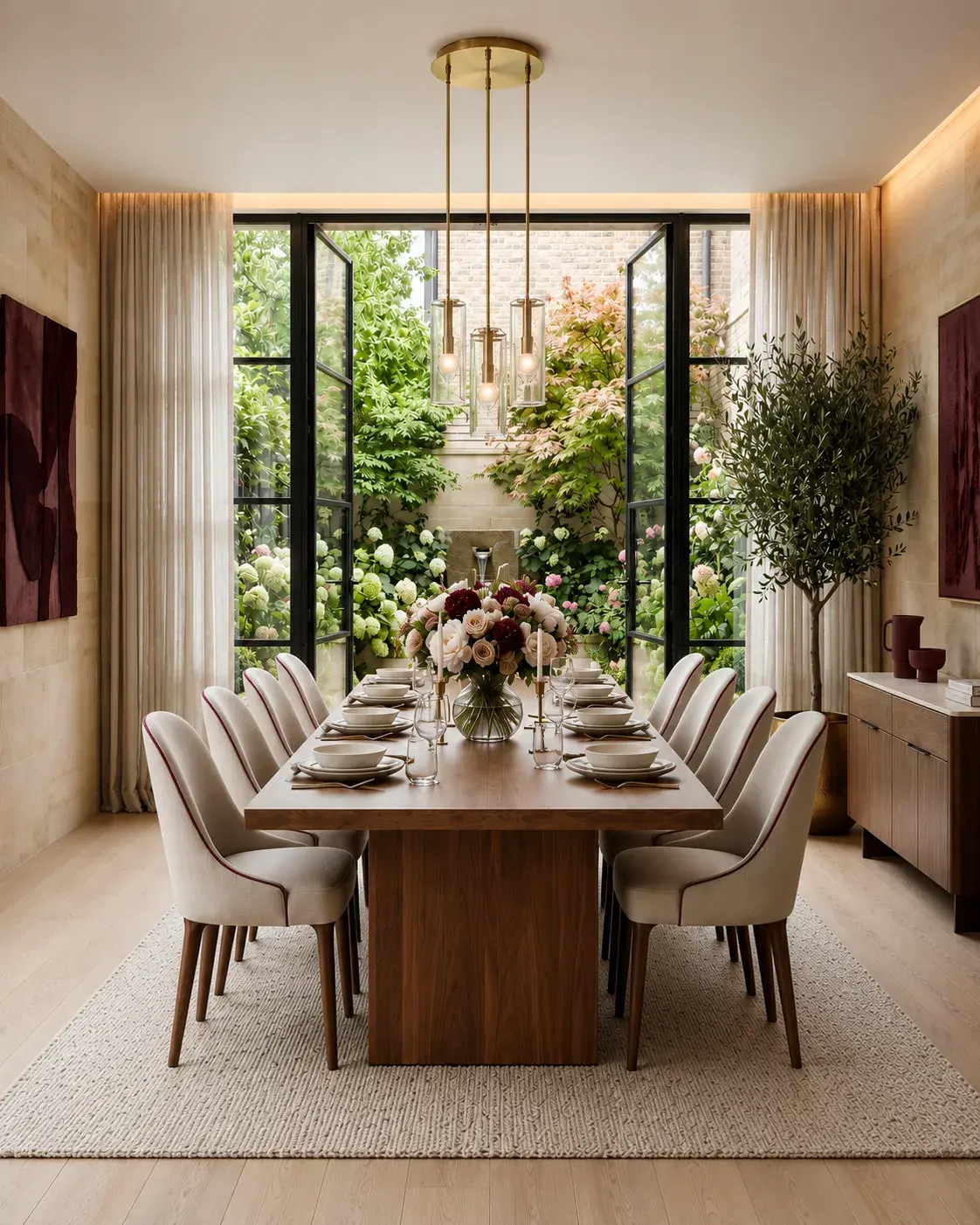
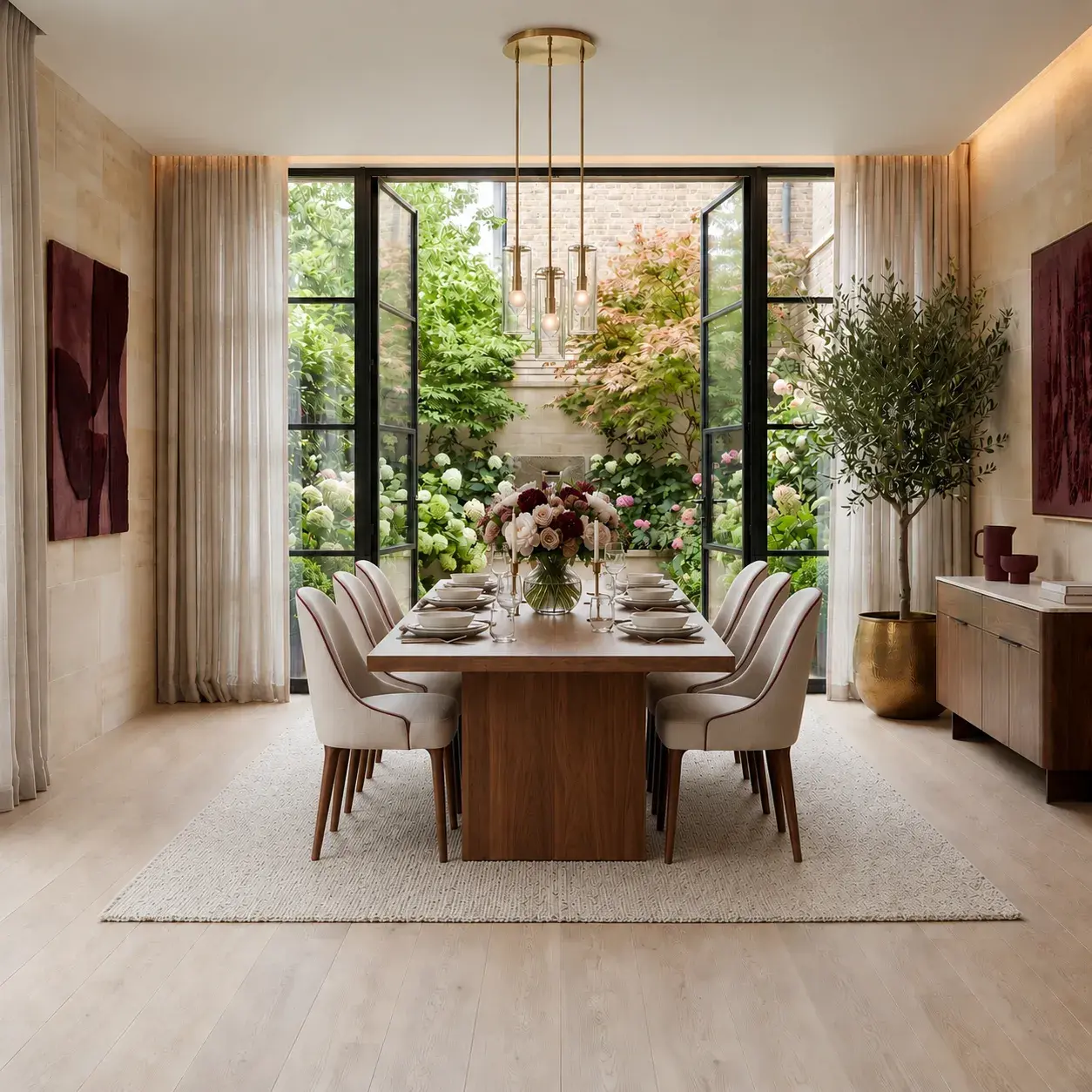
I also consider the less visible details, such as low-VOC paints and finishes, sustainable material choices, layered lighting and the way a room supports daily routines. The aim is to create spaces that feel beautiful, functional and restorative, while reflecting the personality and lifestyle of the people who live there.
A home should support your wellbeing
Luxury today is no longer only about aesthetics. Increasingly, it is about how a space makes us feel.
The most successful interiors are the ones that quietly support everyday life; spaces that help us slow down, recharge, focus, sleep better and feel more connected to ourselves and the world around us.
Biophilic design allows us to create homes that do exactly that.
Frequently asked questions
About biophilic design
What is biophilic design?
Biophilic design is about bringing elements of the natural world back into the spaces where we live, work and rest. It goes far beyond simply adding plants to a room. Thoughtfully integrated, it can help reduce stress, support wellbeing, improve focus, encourage better sleep, and create spaces that feel genuinely restorative.
What are the proven benefits of biophilic design?
Research consistently shows biophilic design supports physical and mental wellbeing. A landmark 1984 study by Roger Ulrich found surgery patients with views of trees recovered around 8.5% faster and used fewer strong pain medications than those whose windows faced a brick wall. A later study at Montefiore Hospital in Pittsburgh found patients in brighter rooms used 22% less pain medication after surgery. Khoo Teck Puat Hospital in Singapore, designed around biophilic principles, consistently outperforms other Singaporean hospitals in public satisfaction surveys.
How does biophilic design improve indoor air quality?
Many modern homes contain synthetic materials that release Volatile Organic Compounds (VOCs) into the air, and the United States Environmental Protection Agency notes indoor air can often be more polluted than outdoor air. Biophilic design prioritises natural materials and low-VOC finishes: natural woods, wool textiles, linen, and sustainable materials with healthier indoor air profiles. Some research also suggests natural wool can help absorb certain airborne pollutants over time.
How does natural light support wellbeing in biophilic design?
Our bodies operate on circadian rhythms, natural biological cycles heavily influenced by daylight. Studies have shown that appropriate exposure to natural light can improve mood, support focus, reduce stress and encourage healthier sleep patterns. Biophilic interiors are designed to maximise natural daylight, introduce layered lighting rather than relying on overhead fixtures, and use warmer lighting in the evening to support relaxation.
How does Suze Patel Interiors apply biophilic design?
Biophilic design is woven into the design process from the very beginning, influencing layout, light, materials, colour, texture and the overall feeling of a space. That includes maximising natural light, improving indoor-outdoor connections, choosing natural materials such as wood, stone, wool and linen, creating nature-inspired colour palettes, and considering less-visible details like low-VOC paints, sustainable material choices and layered lighting.
References & further reading
- Roger Ulrich (1984), View Through a Window May Influence Recovery from Surgery — Science
- Walch et al. (2005), The Effect of Sunlight on Postoperative Analgesic Medication Use — Psychosomatic Medicine
- Terrapin Bright Green — 14 Patterns of Biophilic Design
- The Economics of Biophilia (2nd ed.) — Terrapin Bright Green
- Khoo Teck Puat Hospital case study — Living Future Institute
- EPA — Indoor Air Quality and VOCs
Related reading
How to Bring Biophilic Design Into Your Home Without It Feeling Rustic or Boho
A refined take on nature-led interiors — colour, materials, texture, shape, light, and connection to the outdoors.
What Are VOCs? A Designer’s Guide to Healthier Paints, Finishes and Furnishings
On the indoor air-quality thread from this page — where VOCs come from and how to swap for lower-impact alternatives.
Begin