


Refined biophilic
02 July 2026 · 8 min read
How to Bring Biophilic Design Into Your Home Without It Feeling Rustic or Boho
Biophilic design does not have to feel rustic or boho. A refined take on nature-led interiors: colour, materials, texture, shape, light, and connection to the outdoors.
By Suze Patel
Biophilic design is often associated with rustic textures, trailing plants, natural fibres and relaxed, boho-inspired spaces.
And while that can be beautiful, it is not the only way to bring nature into your home.
One of the biggest misconceptions about biophilic design is that it has to feel overly earthy, casual or plant-filled. In reality, nature-led interiors can be refined, elegant and beautifully layered. They can feel calm, sophisticated and intentional, while still creating a strong connection to the natural world.
For me, this is where biophilic design becomes really interesting. It is not about filling every corner with greenery or creating a home that feels like a woodland retreat. It is about using nature as an influence, through colour, texture, light, shape, materials and atmosphere, in a way that feels considered and personal.
“A home can be rooted in nature without feeling rustic. It can feel soft, warm and organic while still being polished and elevated.”
Start with a softer natural colour palette
A refined biophilic interior often begins with colour.
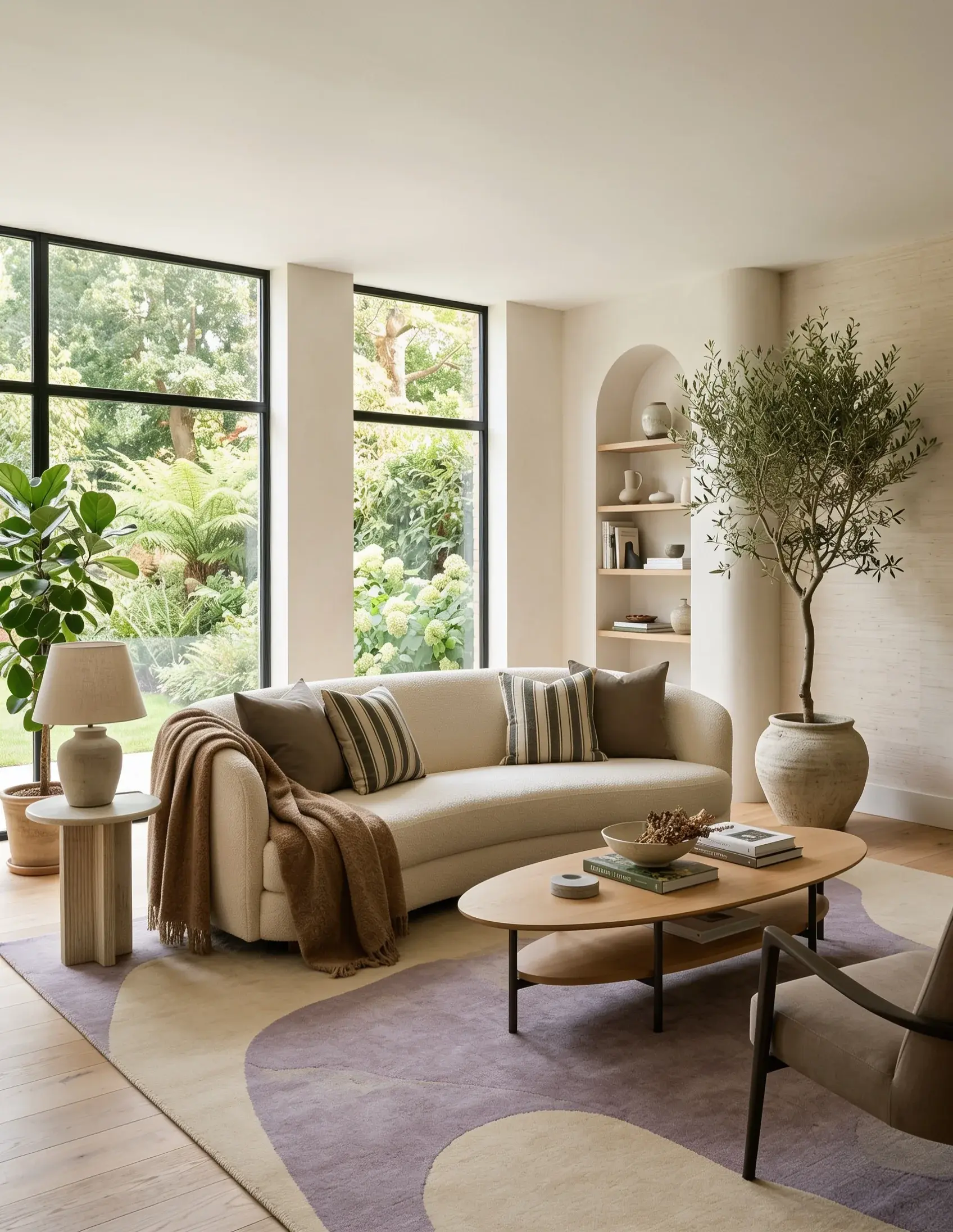
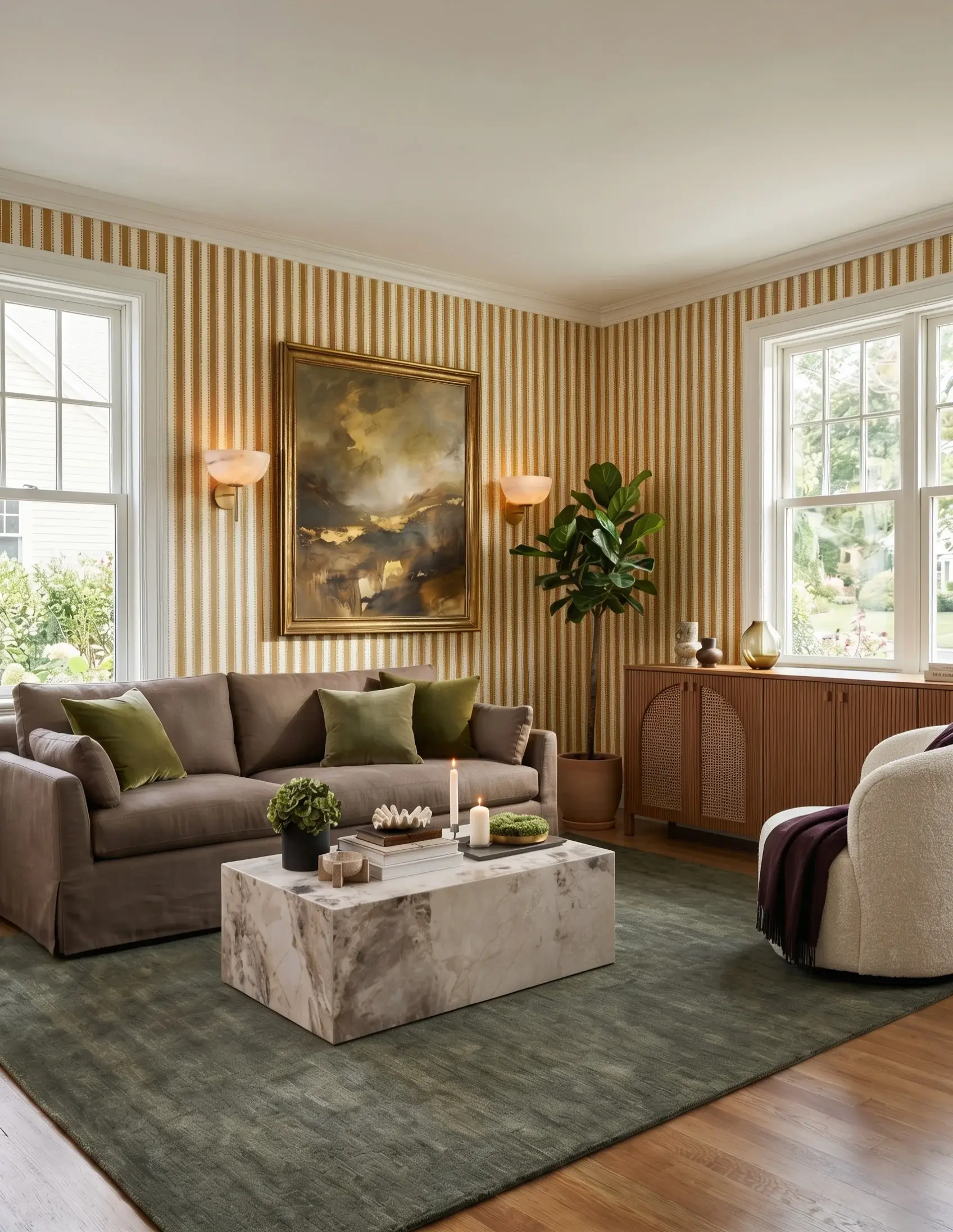
Rather than using very literal shades of green and brown everywhere, look at the softer, more nuanced colours found in nature. Warm off-whites, soft taupes, mushroom tones, clay, stone, sand, moss, olive, terracotta and deep forest green can all create a natural foundation without feeling overly rustic.
These shades work beautifully because they bring warmth and calm into a room. They feel grounded, but they also allow the space to feel light, elegant and timeless.
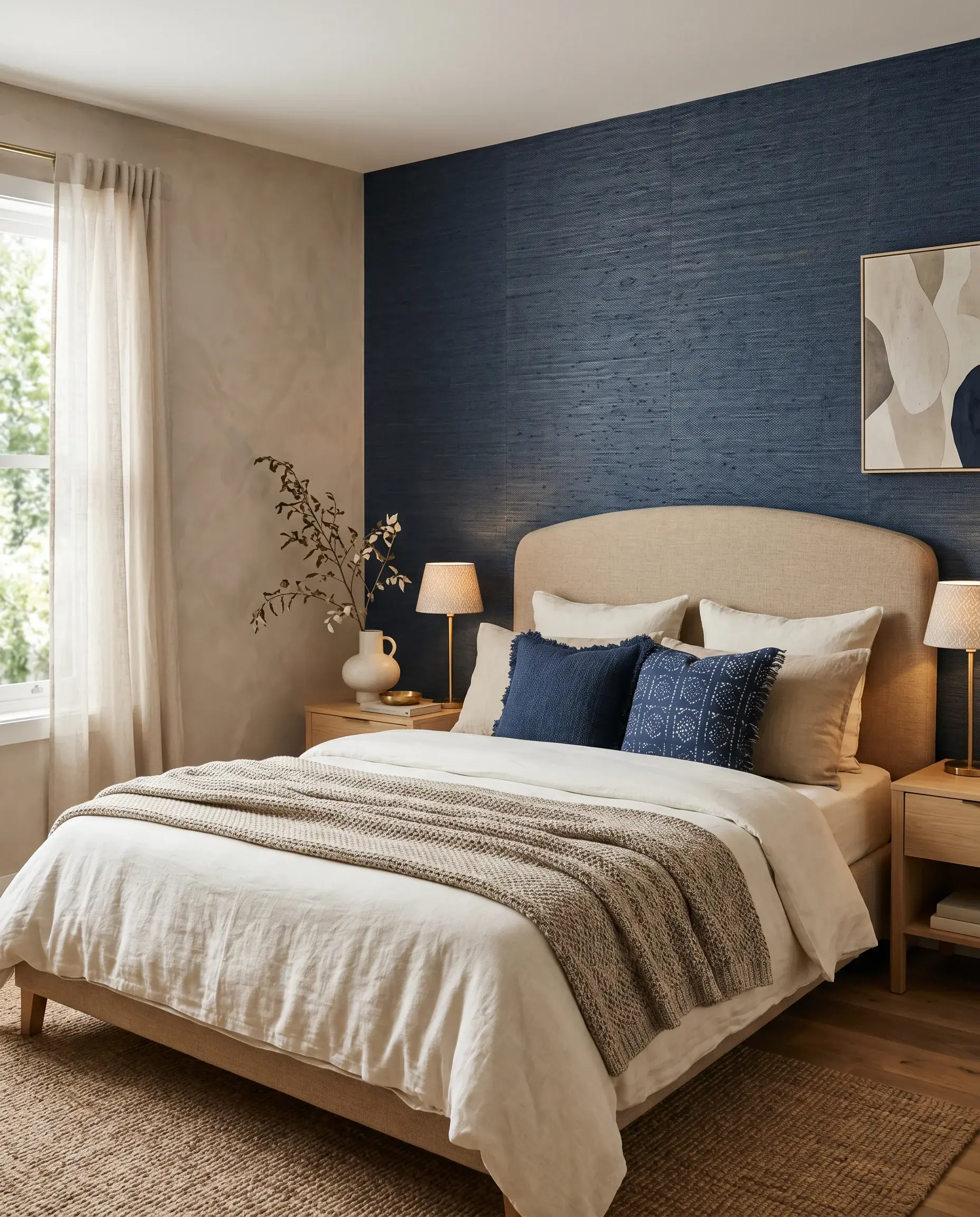
For a more dramatic look, deeper nature-inspired tones can be incredibly effective. Colours such as oxblood, aubergine, navy, emerald and deep teal can add richness and personality while still feeling connected to the natural world. The key is to balance them with softer textures, warm lighting and natural materials so the space feels layered rather than heavy.
Use natural materials in a considered way
Natural materials are a huge part of biophilic design, but they do not have to feel raw or rustic.
Wood, stone, linen, wool, clay, marble, rattan, leather, glass and metal can all be used in a more refined way depending on the finish, shape and styling.
For example, warm wood cabinetry or furniture can add depth without making a space feel country-style. A stone-topped table, alabaster wall light or marble accessory can introduce a natural element in a way that feels elegant and sculptural. Linen and wool can soften a room, while still feeling grown-up and timeless.
It is not just about choosing natural materials. It is about choosing them with intention.
A beautifully grained piece of wood, a textured wall finish, a curved stone lamp or a woven detail can all create that quiet connection to nature without overpowering the space.
Bring in texture, not clutter
Biophilic design works best when it feels sensory.
Nature is full of texture, from bark and stone to leaves, grasses, water and woven fibres. Bringing some of that texture into a home can make a space feel warmer, softer and more emotionally engaging.
This does not mean adding lots of accessories or filling every surface. A refined approach is often much more edited.
Think textured fabrics, boucle, linen curtains, a wool rug, a limewash or plaster-effect wall, fluted wood, woven panels, ceramic pieces or softly textured cushions. These details add depth and interest, but they still allow the space to feel calm and curated.
Texture is especially important in neutral interiors. Without it, a neutral room can feel flat. With it, the space becomes layered, inviting and quietly luxurious.
Choose organic shapes and curved forms
Nature rarely appears in perfect straight lines, which is why curved and organic forms are such a beautiful way to bring a biophilic feel into a home.
Curved sofas, rounded armchairs, arched mirrors, sculptural lighting, oval tables and softer furniture shapes can all help a room feel more natural and welcoming.
This is a subtle but powerful design choice. Even in a very polished interior, curved forms can soften the overall feel and create a better sense of flow.
Organic shapes also work well alongside design influences such as Japandi, mid-century modern and understated glamour. They help a space feel balanced, calm and considered rather than overly themed.
Think carefully about lighting
Lighting is one of the most important parts of creating a nature-led interior.
Natural light should always be maximised where possible, whether that is through lighter window treatments, mirrors, careful furniture placement or simply allowing views to the outdoors to become part of the room.
But artificial lighting matters too.
Soft, layered lighting can completely change how a space feels. Rather than relying on one overhead light, use a combination of wall lights, table lamps, floor lamps and accent lighting to create warmth and atmosphere.
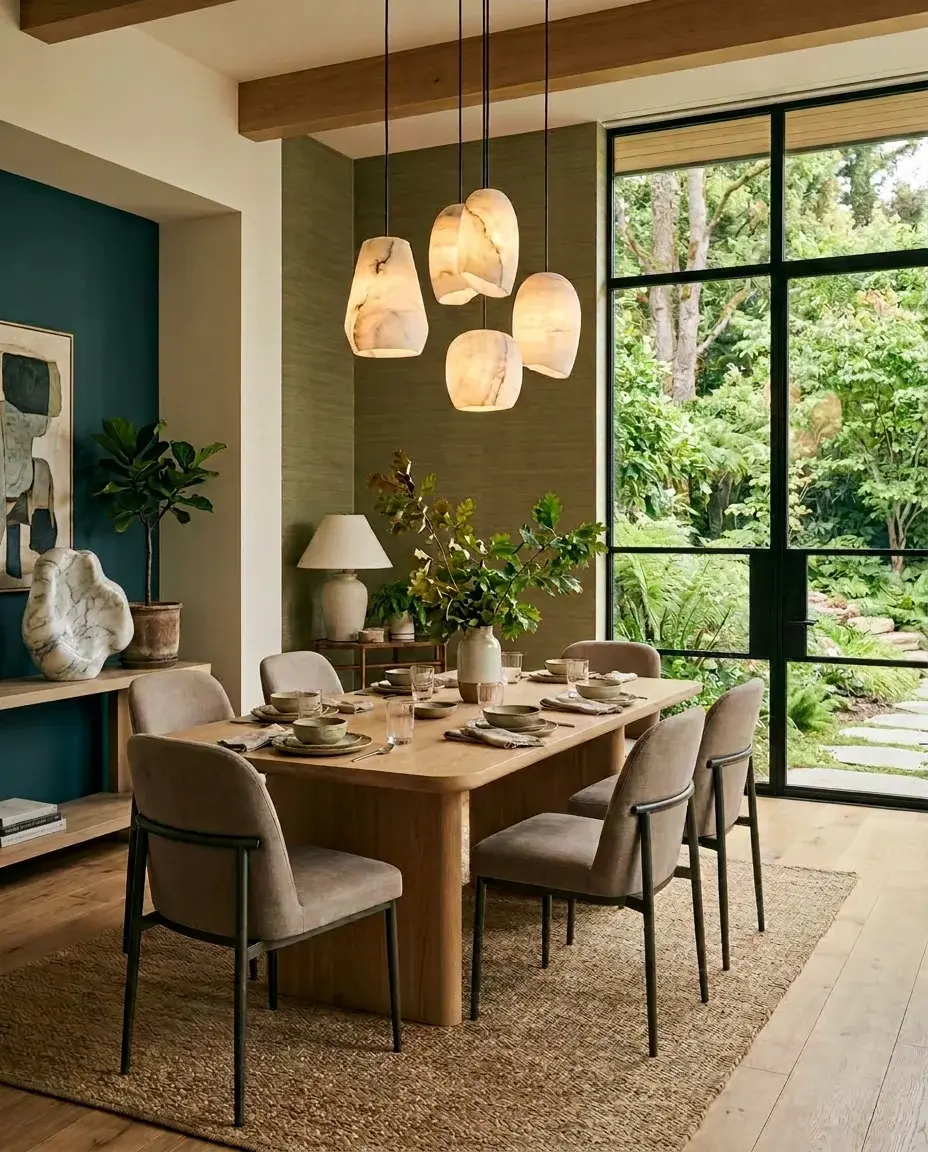
Materials such as alabaster, glass, ceramic, rattan or warm metal can make lighting feel sculptural and connected to nature without looking rustic. The glow, shape and placement of a light can become part of the design language.
Good lighting should feel gentle, flattering and calming. It should support the mood of the room, not just illuminate it.
Connect the indoors with the outdoors
Biophilic design is also about creating a stronger relationship between inside and outside.
This can be done in very simple ways.
Position seating to make the most of a garden view. Use colours inside that reflect the landscape outside. Choose window treatments that allow natural light to move through the room. Add materials that echo the outdoors, such as wood, stone or earthy ceramics.
Even if you do not have a large garden or beautiful view, you can still create a sense of connection. A carefully placed plant, a nature-inspired artwork, a botanical print, a natural colour palette or a tactile material can all help bring that feeling in.
The goal is not to recreate the outdoors inside. It is to create a home that feels more connected, balanced and alive.
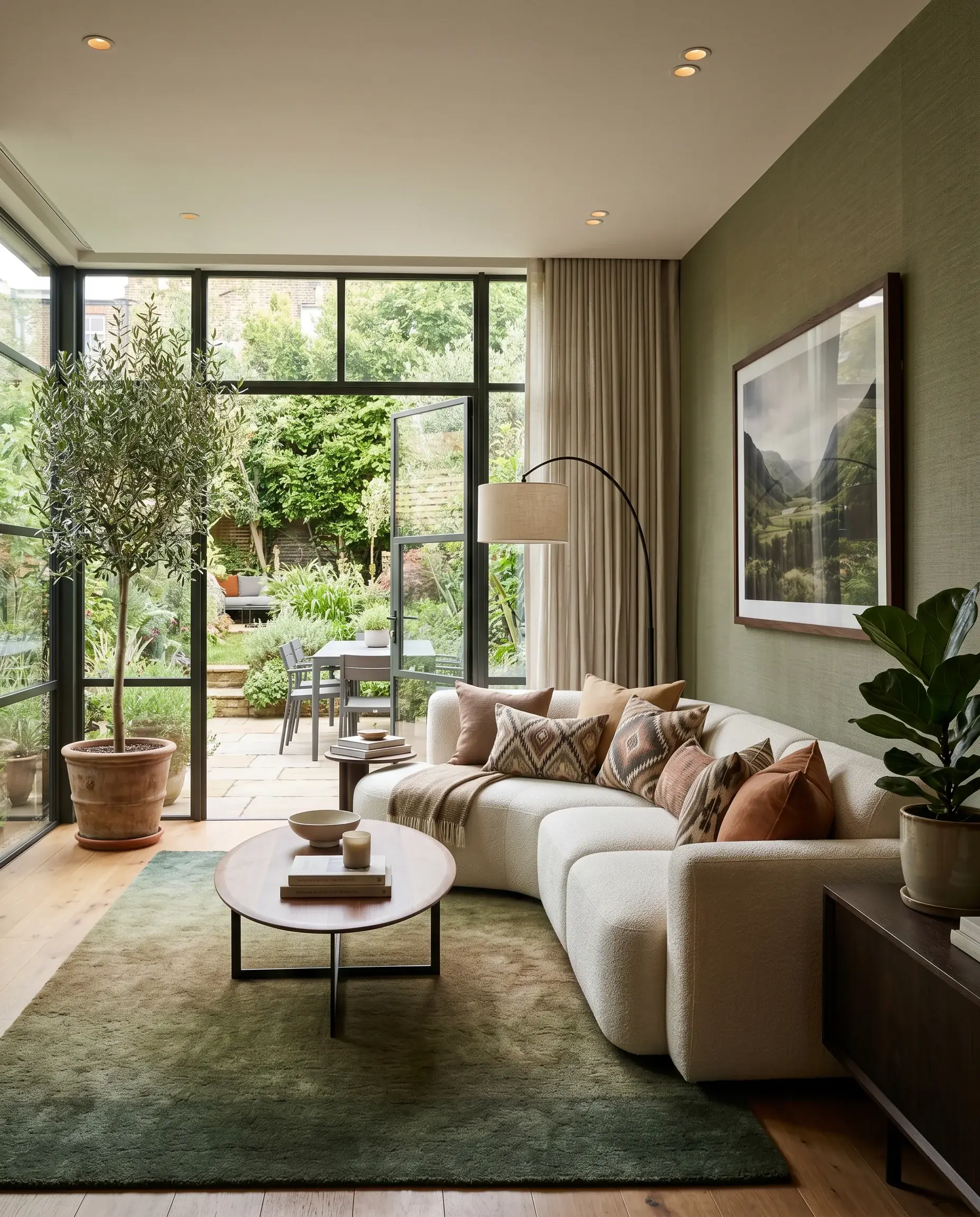
Use plants as one layer, not the whole design
Plants can be a lovely part of biophilic design, but they should not be the entire concept.
A few well-chosen plants can add softness, movement and life to a room. They can help a space feel fresher and more relaxed, and can help with air quality. But you do not need plants in every corner for a room to feel nature-led.
In a more refined interior, it is often better to be selective.
A sculptural olive tree, a large leafy plant in a beautiful pot, a simple branch arrangement or a few considered stems can have much more impact than lots of small plants dotted around without purpose.
Plants should support the overall design, not distract from it.
Keep it intentional and personal
The most successful interiors are not created by following one style too literally.
Biophilic design does not need to look the same in every home. It can be calm and neutral, rich and dramatic, soft and minimal, or layered and full of personality. What matters is that the space feels connected to the people who live there.
For me, nature-led interiors are at their best when they feel rooted, warm and considered. They should support how you want to live, how you want to feel and how you want your home to function.
That might mean creating a calm bedroom with soft textures and warm light. It might mean designing a bold living room with earthy colours, sculptural furniture and layered materials. Or it might mean bringing more natural finishes into a kitchen or dining space so it feels warmer and more inviting.
Biophilic design is not about creating a trend-led look. It is about creating a home that feels better to live in.
Final thoughts
Biophilic design does not have to feel rustic, boho or overly casual.
It can be refined, elegant and beautifully layered. It can be created through natural materials, soft textures, organic shapes, thoughtful lighting, nature-inspired colours and a stronger connection to the outdoors.
When done well, it brings warmth, calm and depth into a home, while still feeling elevated and intentional.
A nature-led home does not have to look one particular way. It simply needs to feel considered, connected and personal.
“Rooted in nature. Curated with intention.”
Frequently asked questions
About this topic
Does biophilic design have to feel rustic or boho?
No. Biophilic design is often associated with rustic textures, trailing plants and boho-inspired spaces, but nature-led interiors can also be refined, elegant and beautifully layered. They can feel calm, sophisticated and intentional while still creating a strong connection to the natural world. A home can be rooted in nature without feeling rustic.
What colours work in a refined biophilic interior?
Warm off-whites, soft taupes, mushroom tones, clay, stone, sand, moss, olive, terracotta and deep forest green create a natural foundation without feeling overly rustic. Deeper nature-inspired tones like oxblood, aubergine, navy, emerald and deep teal can add richness and personality while still feeling connected to the natural world when balanced with softer textures, warm lighting and natural materials.
How do you use natural materials without a space feeling rustic?
Natural materials do not have to feel raw or rustic. Wood, stone, linen, wool, clay, marble, rattan, leather, glass and metal can each be used in a refined way depending on the finish, shape and styling. A stone-topped table, alabaster wall light or marble accessory can introduce a natural element in a way that feels elegant and sculptural. It is about choosing them with intention.
Do you need lots of plants for a home to feel biophilic?
No. Plants can be a lovely part of biophilic design, but they should not be the entire concept. In a more refined interior it is often better to be selective. A sculptural olive tree, a large leafy plant in a beautiful pot, a simple branch arrangement or a few considered stems can have much more impact than lots of small plants dotted around without purpose.
Filed under
philosophybiophilic