


Autumn reset
18 September 2026 · 5 min read
The Autumn Home Reset: 5 Signs Your Space Needs More Than a Seasonal Refresh
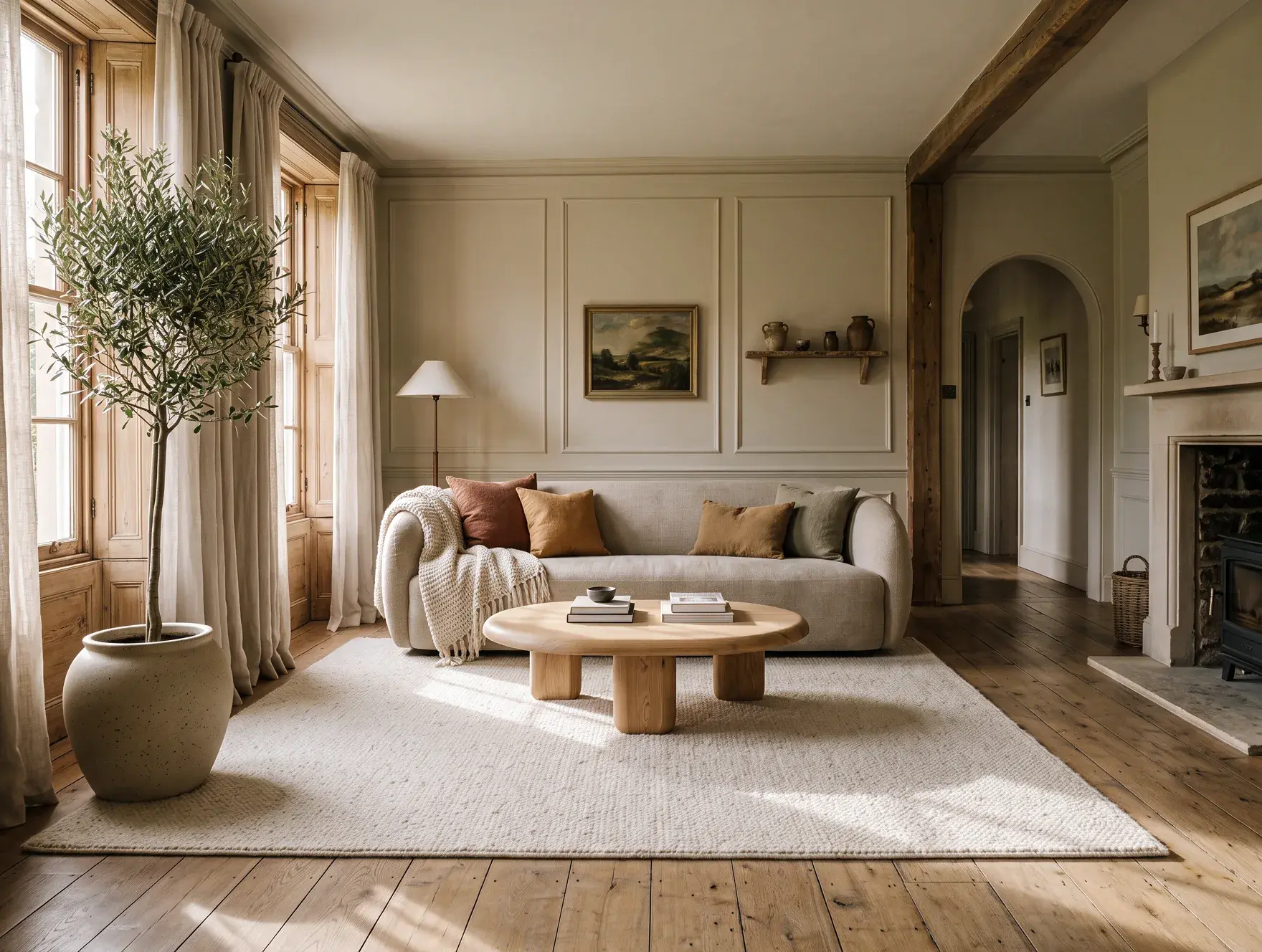
As the evenings draw in, the small frustrations in our homes become harder to ignore. Five signs a room needs more than a new cushion or throw this autumn.
By Suze Patel
There's something about the change of season that makes us look at our homes differently.
During the lighter summer months, we tend to spend more time outside, doors are open, daylight fills our rooms for longer and some of the little frustrations within our homes become easier to ignore.
Then September arrives.
The evenings begin to draw in, routines settle back into place and suddenly we're spending much more time indoors. That room that felt perfectly fine a few months ago might start to feel awkward, cluttered or simply not quite right.
And while it can be tempting to reach for a new cushion, throw or a few seasonal accessories, sometimes the problem goes a little deeper.
Here are five signs your home might need more than an autumn refresh.
1. You keep working around the layout
Think about how you actually move through your home.
Do you have to squeeze around a piece of furniture every time you enter the room? Is the coffee table always being pushed out of the way? Does everyone naturally sit in one area while another part of the room is barely used?
These small inconveniences can become so familiar that we stop questioning them.
“A good layout should support the way you live rather than make you adapt to it.”
Sometimes simply reconsidering the position, scale or purpose of existing furniture can completely change how a room feels, without needing to replace everything.
Start by looking at the natural routes through the room and the activities that actually happen there. The design should follow those first. Our guide to space planning basics goes into this in more detail.
2. The room works during the day but not in the evening
A space can feel completely different once natural daylight disappears.
Perhaps one side of the room suddenly feels dark, you find yourself relying on one bright ceiling light, or the areas where you read, work or relax simply aren't well lit.
Rather than viewing lighting as something added at the end of a design, it helps to think about what you actually need to do in each part of the room.
A reading chair, dining table and relaxed seating area all have very different lighting needs.
As we move towards the darker months, it becomes much easier to spot where the room isn't supporting you throughout the whole day. For ideas on layering light through winter, see how to brighten the dark nights.
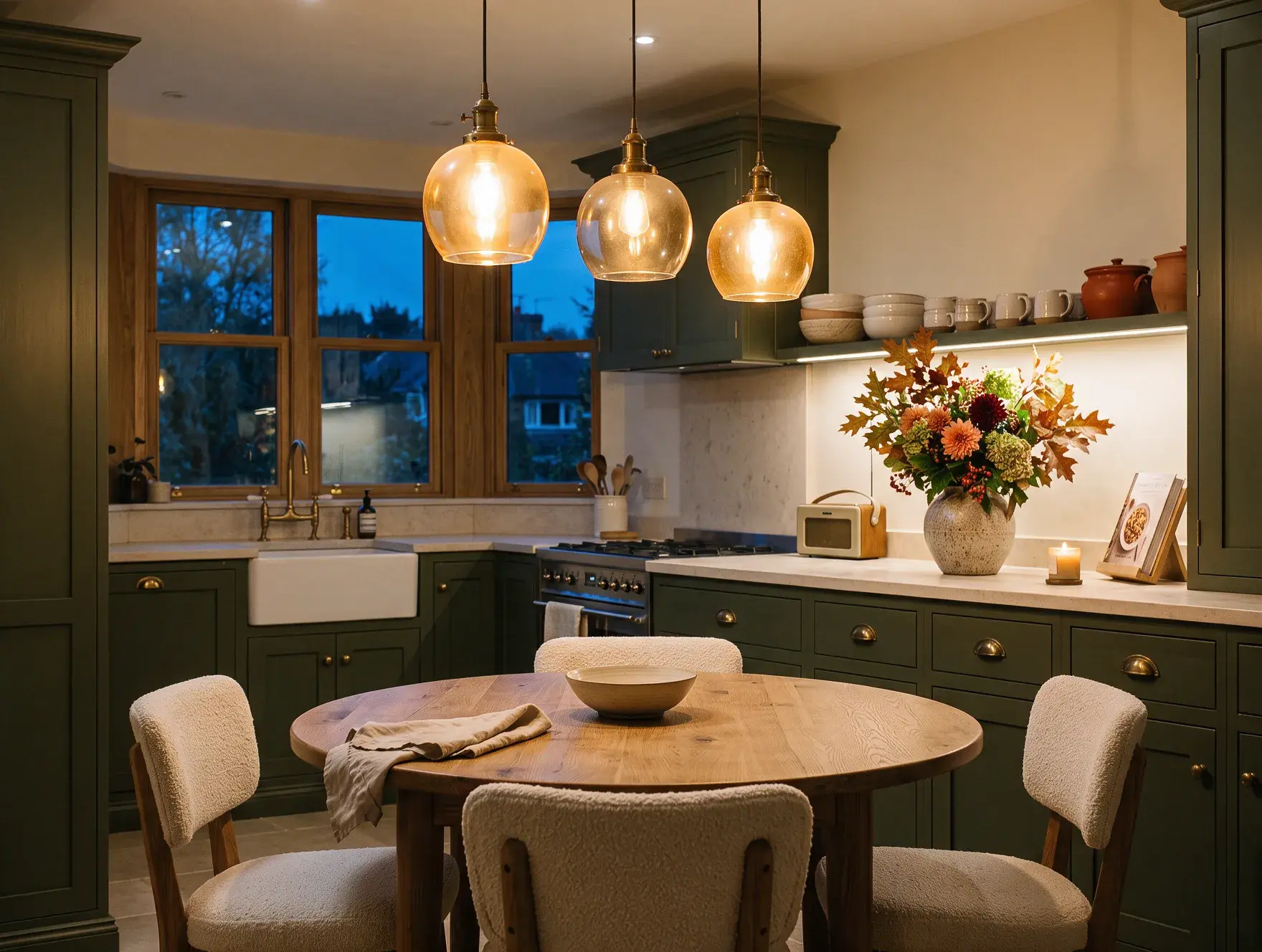
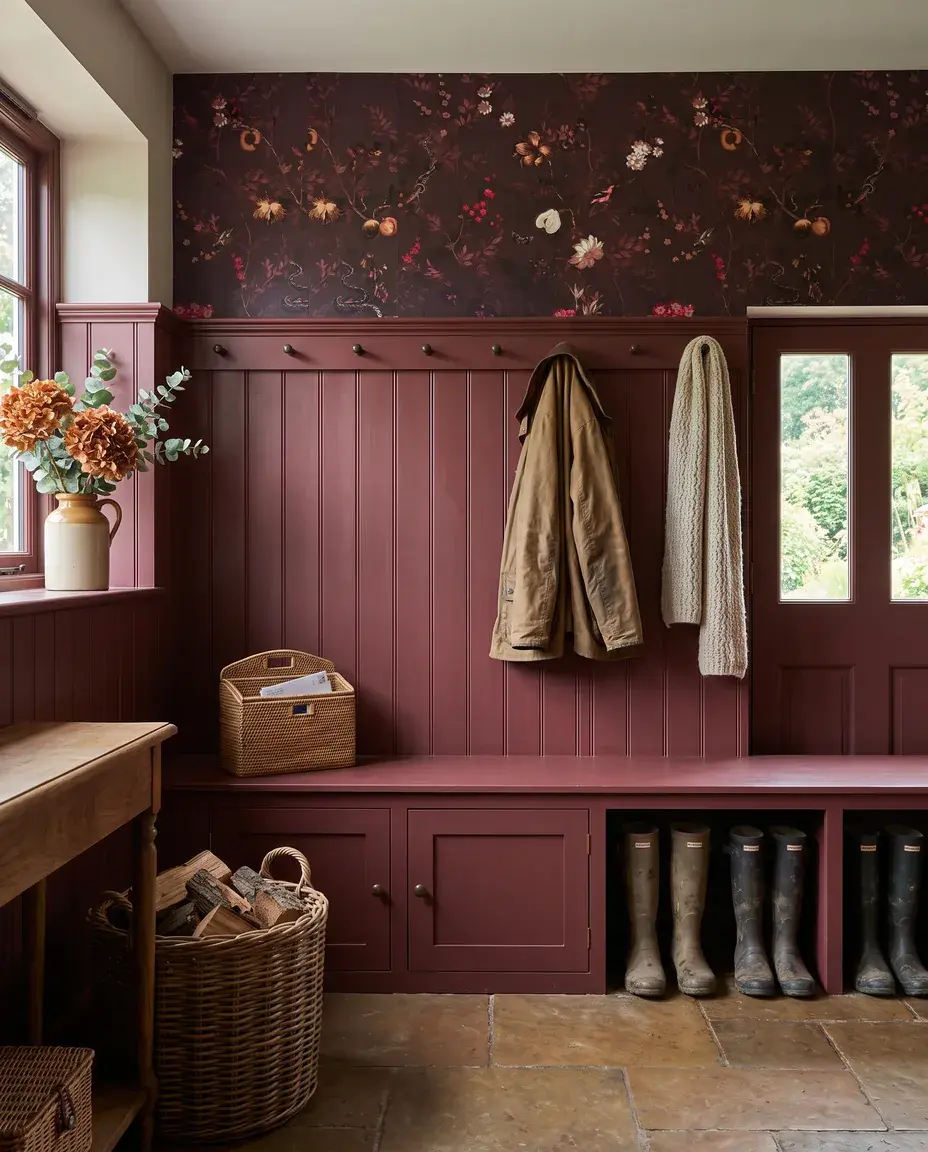
3. The same areas constantly become cluttered
That chair permanently covered in bags. The kitchen worktop where the post accumulates. The hallway where shoes seem to multiply overnight.
Clutter hotspots are often treated as a tidiness problem, but quite often they're actually a design problem.
If belongings repeatedly end up in the same place, it can be a sign that the room doesn't have the right storage where you naturally need it.
Instead of simply clearing everything away again, look at why things are landing there.
Would a closed cupboard work better than open shelving? Does something need to be stored closer to where it is used? Could an underused area of the room be working harder?
Good storage should fit your habits, not require you to create completely new ones.
4. Everything fits, but the room still feels slightly wrong
Sometimes there isn't an obvious problem.
The sofa fits. The furniture matches. The colours work.
But the room still doesn't feel finished.
This is often where proportion and balance come into play.
A rug that is too small can make a seating area feel disconnected. Artwork that is undersized can disappear on a large wall. Too many small pieces of furniture can make a room feel busy, while furniture that is too large can make it feel cramped.
It isn't necessarily about buying more.
Quite often, it is about choosing the right scale, creating clearer focal points and giving the room enough visual breathing space.
That is often the difference between a room containing lovely individual pieces and a room that feels considered as a whole. If this sounds familiar, seven design details that make the difference may help you pinpoint what's missing.
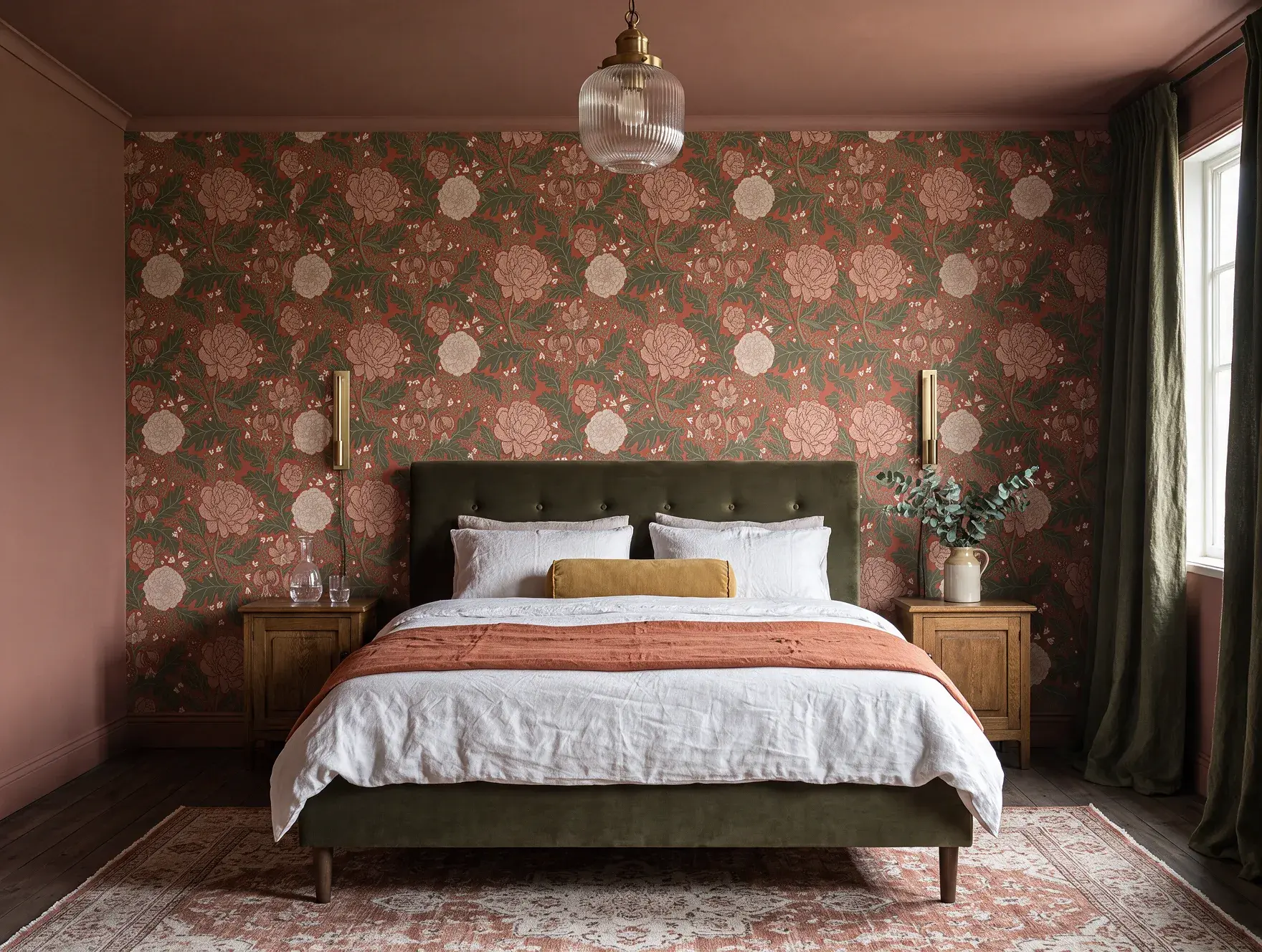
5. Your home no longer reflects how you actually live
Homes change because our lives change.
Perhaps you now work from home more often. The children are getting older. A room has gradually taken on three different purposes. Or maybe the way you want to feel at home has simply changed.
A room can be beautifully decorated and still no longer be right for you.
This is why I always think good interior design begins with much more than how a space looks.
Before choosing furniture, finishes or accessories, it is worth asking:
What do I actually need this room to do for me now?
The answer might be completely different from when you first decorated it.
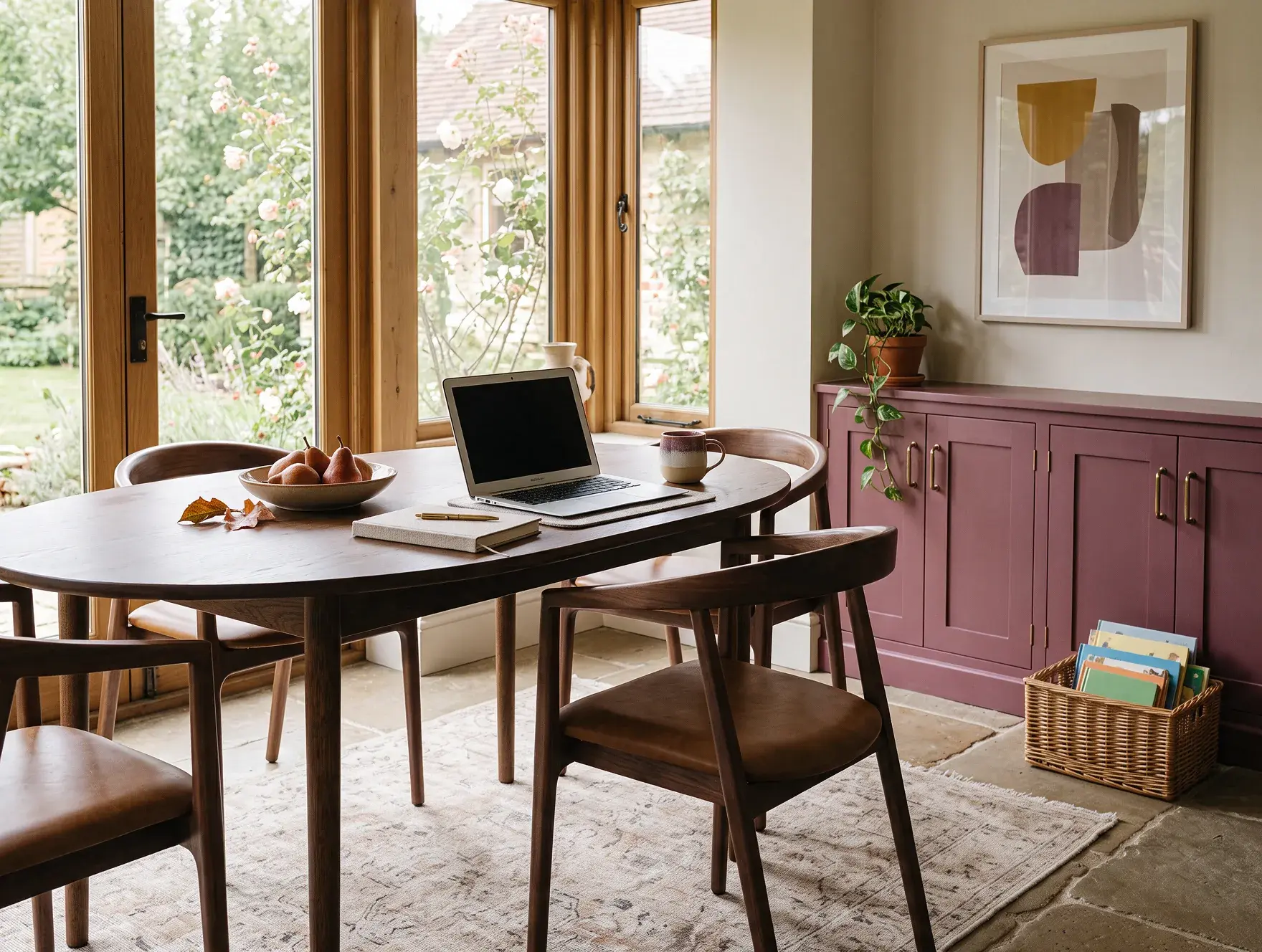
Before you give your home an autumn makeover
Take a little time to notice how your home is working.
- Where do you naturally gather?
- What frustrates you?
- Which areas are rarely used?
- Where does clutter constantly appear?
- And which room just never seems to feel quite right, no matter how many times you restyle it?
Sometimes a few considered changes are all that's needed. Other times, those little frustrations are telling you that the room needs to be looked at as a whole.
And autumn is actually a really useful time to do it, before we move into the months when our homes become the backdrop to so much more of everyday life.
Does one of your rooms feel almost right, but you can't work out what's missing?
My E-Design service is designed to help you look at the whole space, from layout and furniture to lighting, colour, finishes and those final details, creating a room that works beautifully for the way you actually live.
Rooted in nature. Curated with intention.
Frequently asked questions
About this topic
How do I know if my room layout is not working?
Small inconveniences are the clue: squeezing around a piece of furniture every time you enter, constantly pushing the coffee table out of the way, or everyone sitting in one area while another part of the room is barely used. A good layout should support the way you live rather than make you adapt to it. Start by looking at the natural routes through the room and the activities that actually happen there, and let the design follow those first.
Why does my room feel dark and uninviting in the evening?
A space can feel completely different once natural daylight disappears. One side of the room may suddenly feel dark, you may rely on one bright ceiling light, or the areas where you read, work or relax may not be well lit. Rather than treating lighting as something added at the end, think about what you actually need to do in each part of the room. A reading chair, dining table and relaxed seating area all have very different lighting needs.
Why do the same areas of my home always become cluttered?
Clutter hotspots are often treated as a tidiness problem, but quite often they are actually a design problem. If belongings repeatedly end up in the same place, the room may not have the right storage where you naturally need it. Look at why things are landing there: would a closed cupboard work better than open shelving, does something need to be stored closer to where it is used, or could an underused area be working harder? Good storage should fit your habits.
Why does my room feel wrong even though everything fits?
This is often where proportion and balance come into play. A rug that is too small can make a seating area feel disconnected, undersized artwork can disappear on a large wall, too many small pieces can make a room feel busy, and furniture that is too large can make it feel cramped. It is not necessarily about buying more. Quite often it is about choosing the right scale, creating clearer focal points and giving the room enough visual breathing space.
What should I ask before redesigning a room?
Before choosing furniture, finishes or accessories, ask what you actually need the room to do for you now. Homes change because our lives change: you may work from home more often, children get older, or a room may have gradually taken on several different purposes. A room can be beautifully decorated and still no longer be right for you, and the answer may be completely different from when you first decorated it.
Filed under
processseasonal