


Looking again
03 February 2026 · 5 min read
How Interior Designers See Potential You Might Miss
When you walk into a room, it's natural to see it exactly as it is now. Interior designers see something different.
By Suze Patel
When you walk into a room, it's natural to see it exactly as it is now: the sofa that never quite feels right, the awkward corner you don't know what to do with, or the layout you've simply learned to live around.
Interior designers see something different.
We don't just see furniture and finishes; we see movement, light, balance, and how a space could quietly support your everyday life.
Looking beyond what's there
One of the biggest differences between a trained designer's eye and a homeowner's perspective is the ability to mentally strip a room back. We look past existing layouts, bulky pieces, or inherited features and ask deeper questions: how do you actually use this space? Where does your eye naturally travel? How does light move through the room throughout the day?
Often, a room doesn't need more things; it needs clearer intention.
Reading the flow of a space
Designers are constantly thinking about flow: how you move through a room, how spaces connect, and whether the layout feels intuitive or slightly obstructive. A chair placed a few inches differently, or a zone redefined, can completely change how a room feels without changing a single item.
This is why two rooms with identical furniture can feel entirely different.
Spotting potential in overlooked details
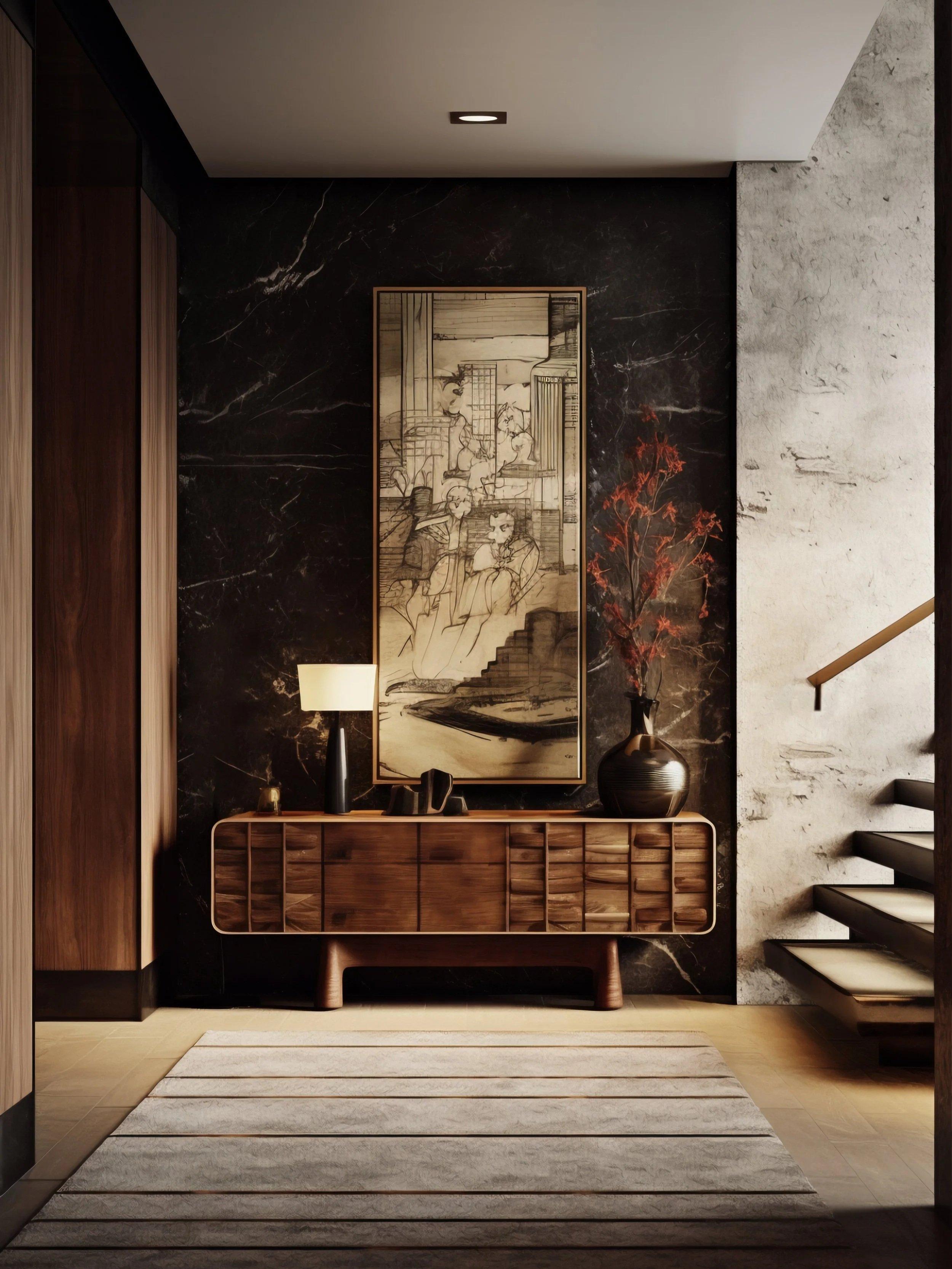
That "dead" corner might actually be the calmest spot in the room. The wall you've never decorated could be the anchor the space is missing. Even awkward architectural features often hold the most potential once they're understood rather than fought against. Designers are trained to spot these opportunities and gently draw them out.
“Often, a room doesn't need more things. It needs clearer intention.”
Designing for real life
Most importantly, we design for how you live, not how a room looks in isolation. A beautiful space should support your routines, help you slow down, and feel effortless to be in. Good design isn't about dramatic transformation; it's about thoughtful adjustment.
When a room finally works, it often feels obvious, but getting there usually requires seeing it from a new perspective.
Filed under
process